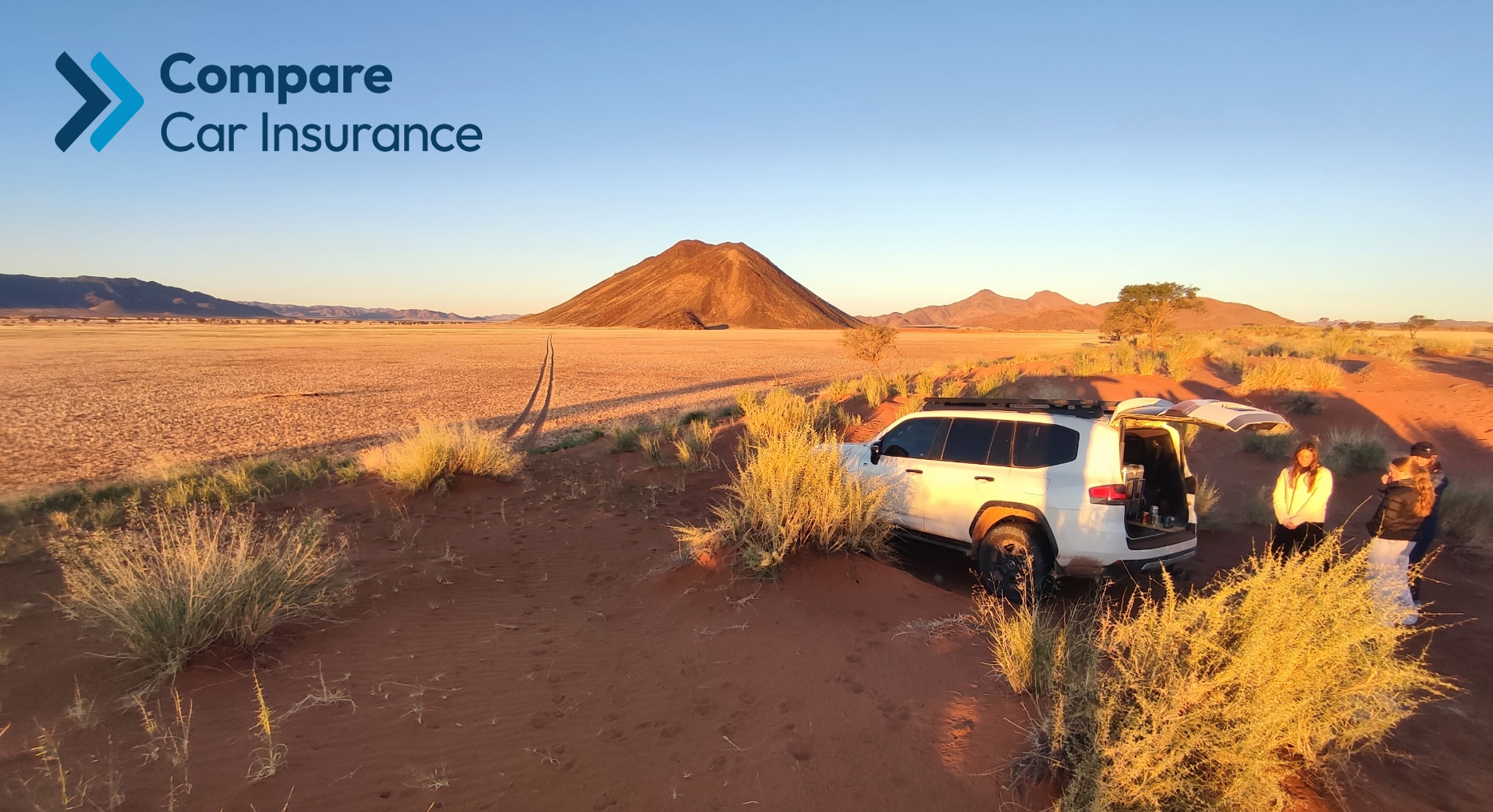
What your SA policy covers across the border
Most South African comprehensive car insurance policies extend cover to SADC member countries: Namibia, Botswana, Lesotho, Eswatini, Zimbabwe, Malawi, Mozambique, Zambia, Tanzania, and Angola. This means your vehicle remains covered for accident damage, theft, fire, and hijacking while you're travelling in these countries — provided you comply with your policy's specific conditions.
Insurers including Auto & General, King Price, Budget Insurance, Dial Direct, First For Women, and OUTsurance all confirm SADC-wide comprehensive cover as part of their standard policy. However, the extent and conditions vary between insurers, which is why checking your specific policy wording before you travel is non-negotiable.
Your South African driver's licence is recognised in all SADC member countries. You do not need an international driving permit for SADC travel, though carrying one provides useful backup identification if you lose your licence abroad.
What is NOT covered — and catches most drivers
Third-party liability is the biggest gap. Your SA comprehensive policy does not cover damage you cause to another person's vehicle or property outside South Africa. Most SADC countries — including Namibia, Botswana, Zimbabwe, and Mozambique — require third-party insurance by law. You must purchase separate cross-border third-party cover. This is available at most border posts, from Outdoor Warehouse stores, or through specialist providers in advance. Without it, you are driving illegally in the destination country and are personally liable for any damage you cause to another vehicle, person, or property.
Breakdown and towing outside South Africa is typically excluded. If your car breaks down in Namibia or Botswana, you are responsible for getting the vehicle back to the South African border at your own cost. Only once the vehicle is back in South Africa does your insurer's roadside assistance and towing cover apply. Recovery costs from locations like Etosha, Sossusvlei, or the Okavango Delta back to the nearest SA border crossing can run to R15,000–R30,000 or more, depending on distance and terrain.
Time limits vary by insurer. Some policies cap cross-border cover at 30 days per trip, others at 60 or 90 days. Exceeding the limit without notifying your insurer can void your cover entirely. If your trip is longer than 30 days, confirm the limit with your insurer in writing before you leave.
Mozambique requires a COMESA Yellow Card — a separate third-party insurance product valid across COMESA member states. Standard SA cross-border third-party cover may not be accepted in Mozambique. The Yellow Card can be purchased at the Komatipoort/Ressano Garcia border post or from specialist brokers in advance.
Documents you need before crossing the border
Every driver crossing a South African land border in their own vehicle should have the following documents prepared:
- Cross-border letter from your insurer — confirms your policy covers the destination country and the dates of your trip. Request this from your insurer at least two weeks before departure.
- Letter of authority (LOA) from your bank — required if the vehicle is still under finance. The bank must authorise the vehicle to leave South Africa. Namibian border officials are known to check this specifically.
- Original vehicle registration certificate — not a copy, the original. If the vehicle is financed, the certificate is held by the bank and must be requested in advance.
- Cross-border third-party liability cover — purchased separately at the border or in advance.
- SAPS police clearance certificate — strongly recommended, especially for Namibia. Confirms the vehicle is not reported stolen.
- COMESA Yellow Card (Mozambique only) — purchased at the border or in advance.
- Valid South African driver's licence — recognised in all SADC countries.
Country-specific notes
Namibia — the most popular destination for SA road trippers. Your comprehensive cover applies. Third-party cover is required by law and is available at the Vioolsdrift/Noordoewer, Nakop/Ariamsvlei, and other border crossings. SAPS police clearance is strongly recommended. LOA from your bank is checked at the border if the vehicle is financed. Namibia is right-hand drive, same as South Africa.
Botswana — comprehensive cover applies. Third-party cover required. The most common crossings are Kopfontein/Tlokweng gate (for Gaborone) or Martin's Drift (for the north). Police clearance recommended but less frequently checked than at Namibian borders.
Mozambique — your SA comprehensive cover applies, but third-party cover requires a COMESA Yellow Card, not standard SA cross-border third-party insurance. The Komatipoort/Ressano Garcia border is the main crossing from Gauteng. Road conditions deteriorate significantly outside major routes — confirm whether your policy covers gravel road damage.
Zimbabwe — comprehensive cover applies. Third-party cover required. Documentation checks tend to be more thorough than other SADC countries. The Beit Bridge border is the main crossing point and can involve significant delays during peak holiday periods.
Lesotho and Eswatini — comprehensive cover applies. Third-party cover required. Both are easy crossings for South Africans with minimal documentation requirements beyond the standard set.
How to check your cross-border cover before you go
- Call your insurer and ask: “Does my policy cover [destination country] for [number of days]?”
- Request a cross-border letter in writing — this is your proof at the border and in the event of a claim.
- If financed, contact your bank and request a letter of authority — allow at least 10 working days.
- Purchase cross-border third-party cover — available at the border, at Outdoor Warehouse, or online.
- If travelling to Mozambique, arrange a COMESA Yellow Card separately.
- Request a SAPS police clearance certificate from your nearest police station — especially for Namibia.
Border documentation requirements can change. Always confirm current requirements with your insurer and the relevant embassy before travel.
Common questions
Cross-border car insurance — FAQ
Does my car insurance cover me in Namibia? +
Yes — most SA comprehensive policies cover accident damage, theft, and fire in Namibia and all SADC countries. However, your policy does not cover third-party liability in Namibia. You must purchase separate cross-border third-party cover at the border or in advance. Check your specific policy for time limits and conditions.
Do I need a cross-border letter from my insurer? +
Yes. A cross-border letter confirms your policy covers the destination country and your travel dates. It serves as proof for border officials and is essential documentation if you need to claim while abroad. Request it at least two weeks before departure.
What happens if my car breaks down outside South Africa? +
In most cases, your insurer's roadside assistance and towing cover does not apply outside South Africa. You are responsible for getting the vehicle back to the SA border at your own cost. Once back in South Africa, your insurer will arrange towing to the nearest repair centre. Recovery costs from remote locations in Namibia or Botswana can exceed R15,000.
Is my South African driver's licence valid in SADC countries? +
Yes. Your SA driver's licence is recognised in all SADC member countries. An international driving permit (IDP) is not required for SADC travel, but provides useful backup identification.
What is a COMESA Yellow Card? +
A COMESA Yellow Card is a third-party motor vehicle insurance scheme valid across COMESA member states, including Mozambique. If you are driving to Mozambique, standard SA cross-border third-party cover may not be accepted — you may need a Yellow Card instead. It can be purchased at the Komatipoort/Ressano Garcia border post.
How long can my car be out of South Africa and still be covered? +
This varies by insurer. Some policies cap cross-border cover at 30 days, others at 60 or 90 days per trip. Exceeding the limit without notifying your insurer can void your cover. Confirm the specific limit with your insurer before you travel.
Do I need a letter of authority from my bank? +
Yes, if your vehicle is financed. The bank must authorise the vehicle to leave South Africa. Namibian border officials in particular are known to check for this document. Allow at least 10 working days for processing.